Saudi Arabia, one of the world’s largest economies, is very important to the G20 because of its Vision 2030 plans for economic growth.
Saudi Arabia is also considered a superpower in the energy sector as it contributes directly and indirectly to global energy markets, through its role in stabilizing oil prices and ensuring the stability of global energy supplies, which is of interest to the members of the G20.
Geopolitical Capabilities
The Kingdom has regional geopolitical capabilities in the Middle East that enable it to address regional challenges and stabilize the region, which receives great attention in the G20 discussions on global security and political issues.
Saudi Arabia is a crucial player in global investments and trade, and through its participation in the G20, it helps in conducting discussions on international trade policies, investment opportunities, and economic cooperation.
At the same time, Saudi Arabia has had extensive participation over the past years and has provided many solutions regarding the global challenges addressed by the G20, including climate change, sustainable development, and global health issues.
Saudi Arabia’s membership in the G20 generally reflects its economic and geopolitical importance worldwide and its participation in addressing critical global issues.
Strategic Location
Saudi Arabia’s strategic location at the crossroads of three continents makes it a major transit centre for trade and business. Saudi’s growing influence in the global economy contributes to the diversification of its economy and its increased integration with the world’s economies, making it a crucial voice in the G20 discussions, which enables it to play a role in shaping the global economic agenda.
Moreover, Saudi Arabia has contributed greatly to finding broad solutions to some of the world’s most pressing challenges, and during the past period, it worked on finding diverse solutions to many global issues and challenges.
Sustainable Development
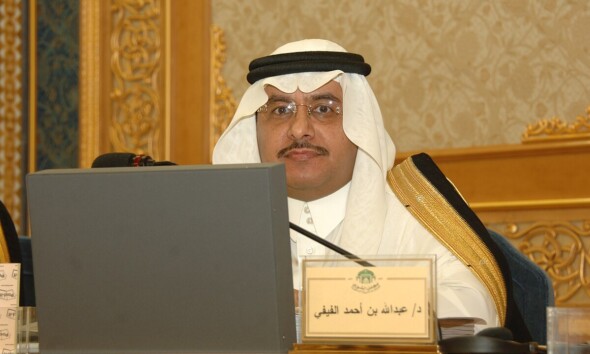
Economist Fadel bin Saad Al-Buainain, a member of the Saudi Shura Council, said that the Kingdom has become one of the countries most involved in achieving sustainable development through “Saudi Vision 2030” which had the greatest impact on the Saudi economy achieving the highest growth rate among the countries of the group at %8.7.
He added, “This growth prompted the International Monetary Fund to praise the prosperity of the Saudi economy in addition to the development and reform programs that contributed to achieving positive results”.
Al-Buainain noted that the sustainable development file is one of the most prominent ones that will be discussed at the current G20 summit.
Al-Buainain pointed out that Saudi Arabia’s prosperity, development path, and significant programs make it a shining beacon within the group and a model that can be emulated in sustainable development plans, especially in developing countries that need development strategies and programs that achieve sustainable development goals.
Food Security and Renewable Energy
Al-Buainain explained that one of the most critical files is the file on ensuring food security, through “stimulating smart agriculture to face the climate” as Saudi Arabia has an advanced project that is currently being implemented in “NEOM” for smart agriculture, and it is greatly expanding in providing its local food needs and has succeeded in important aspects of it.
Furthermore, he referred to the issue of stimulating renewable energy in several economic activities as one of the issues being raised, pointing out that the Kingdom’s program for renewable energy through solar and wind energy has become the most prominent in the region.
Al-Buainain said, “If we add the production of green hydrogen in (NEOM) and the huge project launched by the NEOM Green Hydrogen Company with a total investment of $8.4 billion, which is the largest plant to produce carbon-free green hydrogen in the world, the Kingdom will also be a pioneer in the renewable energy file. This makes it more capable of enriching the group and contributing to achieving the goals of the current summit files”.
The Unemployment File
Al-Buainain discussed the issue of unemployment, which is one of the most important topics addressed by the Fund, and praised the measures that led to reducing the unemployment percentage to %8, and women’s participation in the labour market exceeded the %30 targeted in Vision 2030.
Meanwhile, Vision 2023 programs contributed to achieving crucial results in the unemployment rate and reducing it to %8. It is noteworthy that the majority of economic and reform programs had a positive impact on the unemployment index.
Diversified Investments
Al-Buainain said that the Public Investment Fund has a direct role in achieving these positive results through pumping investments into various economic sectors, its partnerships with international companies, and its stimulation of promising economic sectors that were marginalized.
In addition, there is strong non-oil GDP growth, which was confirmed by the official second-half data issued by the General Statistics Authority, and which is currently the most important due to its implications for the diversification of economic sectors and private sector growth.
Al-Buainain concluded by saying, “In general, I believe that the positive IMF report on the performance of the Saudi economy is only a true reflection of the results of the economic reforms led by Saudi Crown Prince Mohammed bin Salman through the Saudi Vision 2030,” he continued by stressing that “what has been achieved reflects positively on the Kingdom’s participation in the G20 and its contribution to achieving the group’s goals, especially regarding the files of sustainable development and renewable energy.”
Containing Inflation
The International Monetary Fund praised the Kingdom’s efforts to contain inflation, which cast its shadow on the global economy, explaining that it was contained through local support, setting a ceiling on the prices of several products, and the strong value of the dollar, as the average of the main consumer price index reached %2.5 in 2022. Pointing out that although the average index rose in early 2023 to %3.4, it fell again to %2.8 in May 2023.
The report confirmed that the continuation of the Saudi Vision 2030 reforms represents progress in advancing the country’s economic diversification programs to reduce its dependence on oil, expecting the strong momentum of non-oil GDP growth to continue, and for its average growth to reach % 4.9 in 2023, driven by strong consumer spending, as well as increasing private investment through projects and programs that enhance private sector growth, in addition to the accelerated pace of project implementation.