
Lifestyle
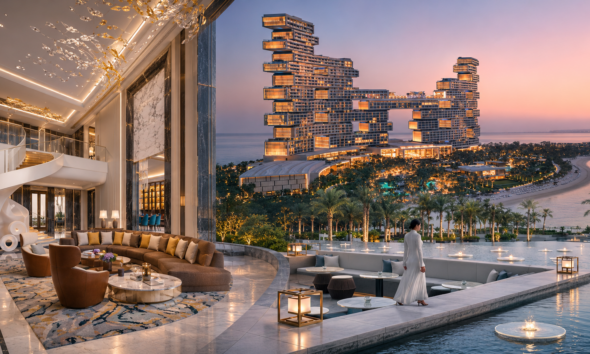
4 Risks No One Talks About Before Buying a Luxury Home

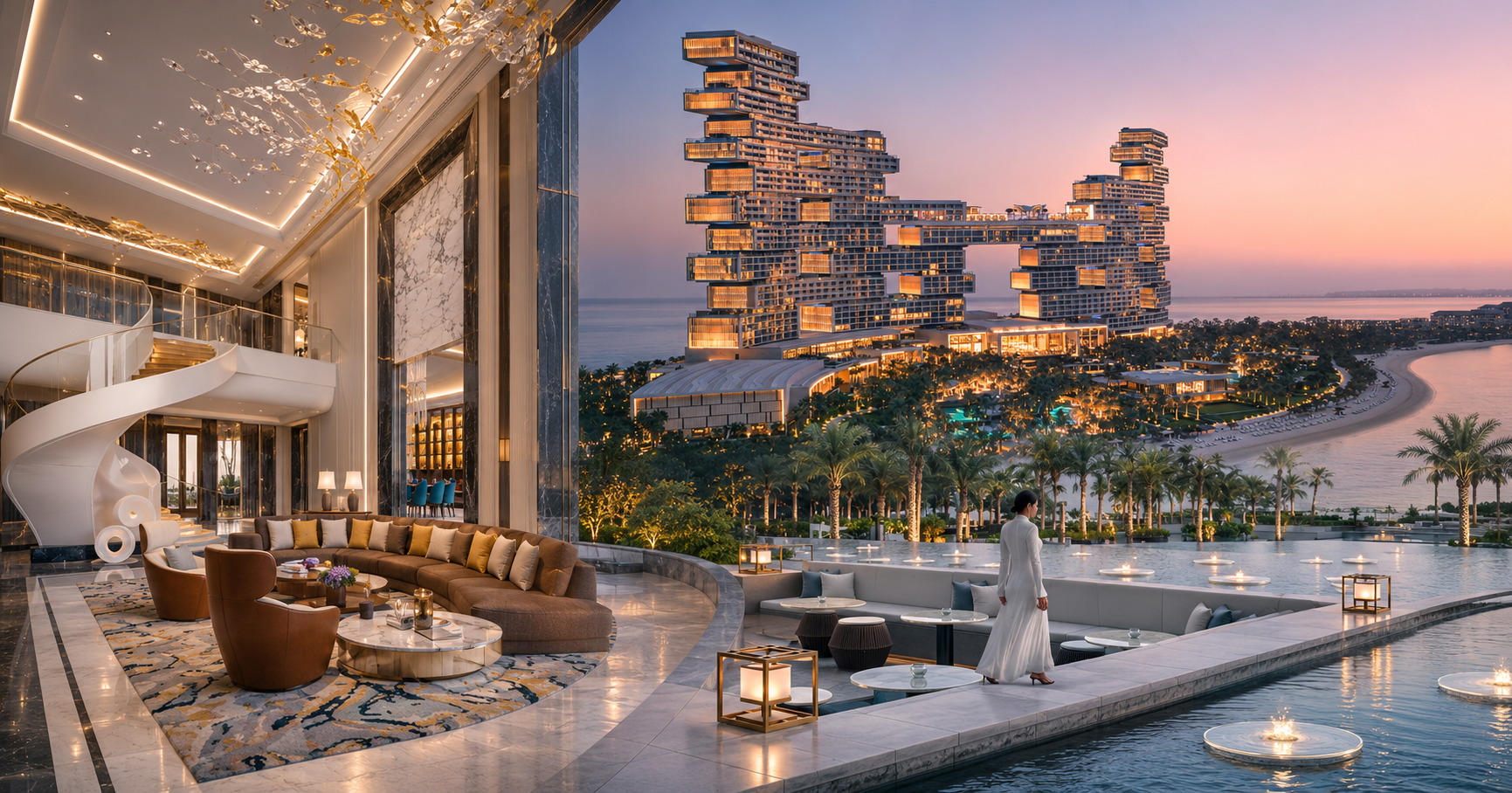
The privacy, density, hidden costs and developer risks that can turn a dream Dubai address into a costly compromise.
The most expensive mistake when buying a luxury home in Dubai may not be paying too much.
It may be paying for a property that gives you less privacy, less quiet and less certainty than you expected.
A spectacular lobby, a rooftop view and a prestigious address can make a property look perfect at first glance. But luxury is not fully revealed in a brochure. It appears later, in the way a home feels on an ordinary morning, during a busy weekend or several years after the keys are handed over.
For buyers searching for a luxury property in Dubai, the right questions often begin where the sales presentation ends.
1. A luxury home can still be too exposed
A high price does not automatically create privacy.
A residence may feature floor-to-ceiling windows, a large terrace and an impressive skyline view, yet sit directly opposite another tower. A villa may have beautiful landscaping, but still face a busy road, a public walkway or a shared amenity used by hundreds of residents.
The result is a home that looks private from the outside, while daily life feels visible from within.
This matters to more than celebrities. Families, entrepreneurs and internationally mobile buyers increasingly value the ability to use their homes without feeling observed. They want children to play outdoors, guests to arrive discreetly and windows to remain open without turning the living room into a stage.
Before buying, it is worth examining sightlines, access points and the relationship between private areas and public spaces.
The most valuable view may be the one that nobody else has into your home.
2. Density has a sound
Density is often treated as a planning detail. In practice, it becomes part of the daily experience.
It is the traffic at the entrance during peak hours. It is the number of residents using the pool on a weekend. It is the lift queue, the noise from nearby restaurants and the steady movement of delivery vehicles and visitors.
None of these details appear clearly in a polished render.
A development can offer beautiful landscaping and impressive amenities while still feeling crowded. It can be architecturally striking and yet leave residents searching for quiet.
This is why low-density communities in Dubai are attracting growing interest among buyers who want more than a large floor plan. They are looking for breathing room, controlled access, private outdoor space and a clearer separation between home life and the city around it.
The question is not simply how large the property is. It is how much space surrounds the life taking place inside it.
3. The ownership cost begins after the keys
The purchase price is only the beginning of the ownership story.
Service charges, maintenance, cooling, landscaping, parking and community management can shape the experience long after completion. For international buyers, these costs may be difficult to assess from a launch presentation focused on interiors and payment plans.
There is also the question of how the property will age.
Will the landscaping remain carefully maintained? Will the shared facilities continue to feel exclusive? Will the roads, entrances and public areas receive the same attention five years from now?
A luxury home is not just an interior. It is the entire environment around it.
That is why serious buyers should ask for a complete picture of ongoing costs, maintenance responsibilities and community management before committing. A property that looks affordable at the point of purchase can feel very different once the full cost of ownership becomes clear.
4. The developer remains part of the purchase
The developer’s name is not a footnote. It is part of the property itself.
Construction quality, delivery standards, handover procedures, finishing details and after-sales service can influence the ownership experience for years. A beautiful floor plan cannot compensate for delayed completion, inconsistent workmanship or weak community management.
This is particularly important when buying off-plan. The buyer is not only purchasing a home. They are buying a future version of a neighbourhood that may still be taking shape.
Before signing, buyers should consider:
- Has the developer delivered comparable communities?
- Are the handover expectations clearly defined?
- Who will manage the development after completion?
- How are service charges calculated?
- Could future phases affect the view, privacy or traffic flow?
A trusted developer cannot remove every risk. It can, however, make the decision easier to evaluate.
The questions buyers should ask before signing
The most useful questions are often simple:
Will the home remain private when the surrounding phases are complete?
How much of the price reflects the residence itself, and how much reflects shared facilities?
What will the property cost to maintain each year?
Who is responsible for the landscape, amenities and public areas?
What does the developer’s previous work reveal about the finished product?
These questions move the conversation away from surface-level luxury and towards the experience of living there.
Where Sobha fits into the conversation
This is the wider shift behind the growing interest in nature-led, wellness-focused and lower-density communities in Dubai.
Developments such as Sobha Sanctuary reflect an approach to luxury that places greenery, considered planning and everyday wellbeing alongside architecture and finishes. The emphasis is not only on how a property looks at launch, but on how the surrounding environment supports a calmer way of living.
Sobha Sanctuary is one example of this direction, with a master-planned setting designed around green spaces, movement, wellness and residential life. It does not eliminate the need for research, but it shows how the definition of luxury is moving beyond size and spectacle.
Readers exploring this approach can review the Sobha realty projects in Dubai and compare the different communities and residential formats available.
The real luxury is what you stop worrying about
A luxury home should offer more than an impressive entrance.
It should protect privacy, support daily routines and preserve a sense of calm as the city around it continues to grow.
The real question is not how much attention a property attracts. It is how many worries it removes.
Because the wrong address can cost more than money. It can cost silence, space and the feeling that home truly belongs to you.
Read also: Where Does Capital Go When Taxes Rise?





KSA & Stride Ventures Agree to $500M Investment MoU
Al-Ahsa’s ‘Logistics Oasis’ Receives 60 Million Tonnes of Cargo Annually
4 Risks No One Talks About Before Buying a Luxury Home
London Premier Centre Strengthens Its Presence in Saudi Arabia
Riyadh Metro Breaks Ground on the ‘Expo’ Station