
Business
KSA & Stride Ventures Agree to $500M Investment MoU

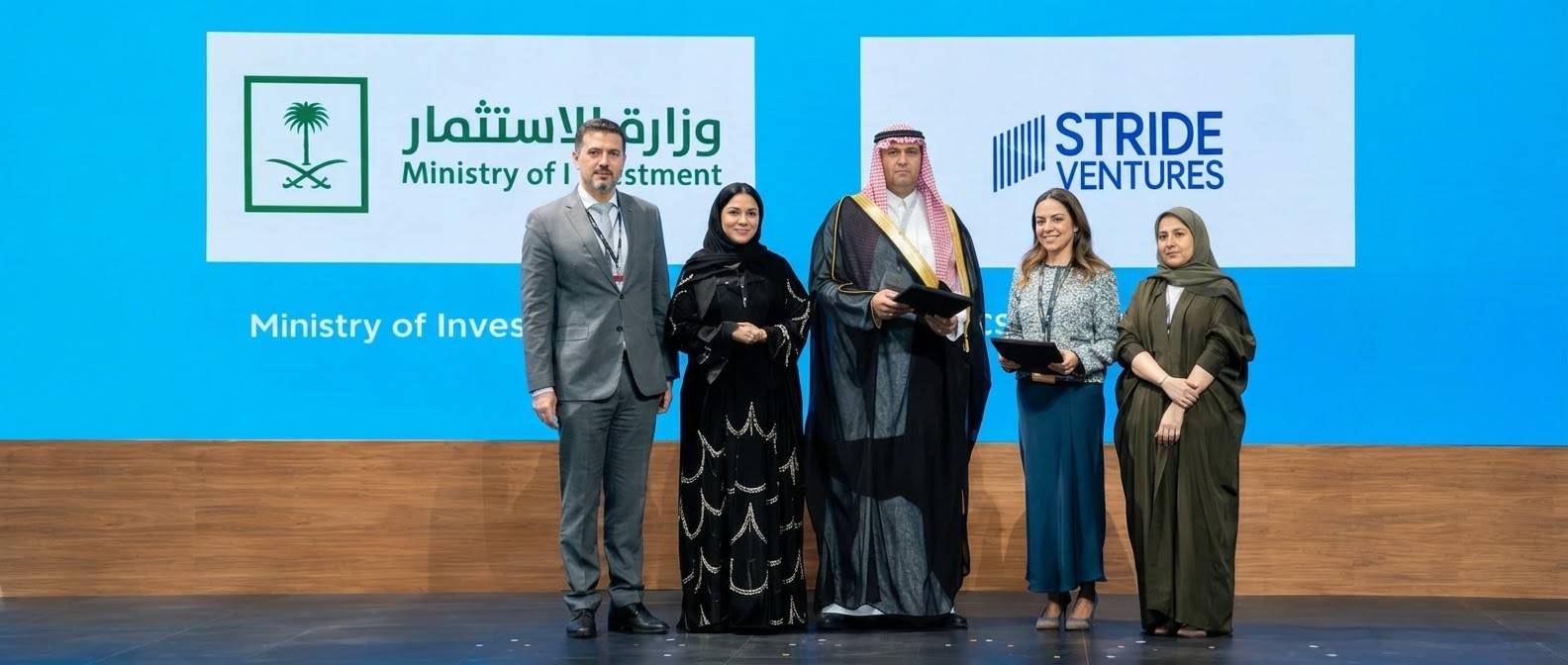
On November 20, 2026, the Saudi Ministry of Investment entered into a memorandum of understanding (MoU) with Stride Ventures, enhancing investment strategies amounting to approximately $500 million over a three-year period. This initiative is specifically targeting sectors such as private credit and venture debt.
The MoU is designed to bolster the investment and financing landscape in the Kingdom by delivering flexible financing options tailored for fintech companies and startups.
Additionally, it aims to foster the growth of startups and small-to-medium enterprises (SMEs), promote knowledge exchange, and cultivate local talent development, thereby ensuring a robust ecosystem for financial innovation and entrepreneurship.
Private Credit: A Lifeline for Startups
Mohammed Al-Madi, the Director of Research and Content at “Jawla,” emphasised the importance of private credit and venture debt as essential financing alternatives that enhance traditional bank lending. He articulated that these financing tools are particularly beneficial for startups, which often face challenges in obtaining bank loans, especially in their initial stages.
In an interview with “Al Arabiya Business,” Al-Madi elaborated on the stringent requirements of banks, which typically demand collateral and a minimum of three years of financial statements, alongside additional criteria that many newly established companies may find difficult to fulfil. Consequently, he advocated for private credit as a viable solution for meeting the funding needs of startups and facilitating their growth and expansion.
He highlighted that private credit financing is particularly beneficial for startups in the fintech sector, as it allows them to expand their operations without relinquishing new equity and thus maintaining the ownership interests of founders and current shareholders.
Furthermore, he pointed out that many technology firms often need substantial capital to progress from their initial growth phases to broader commercial expansion. This transition requires resources that can be challenging to obtain through equity-based fundraising alone, illustrating the critical function of private credit in addressing this financing gap.
Read more: Government Prep for New Tech: From Ready to Leader
Private Credit Doubles to $3.7B, with Room to Grow
Al-Madi highlighted the private credit market’s significant expansion, citing S&P estimates that its value has surged to around $3.73 billion (14 billion SAR), effectively doubling since 2020. However, despite this growth, the private credit market represents merely 2% of the total financing landscape, indicating substantial potential for further development.
This growth is critical for startups within the fintech sector, as they currently need a wider range of funding options to succeed and grow. The ability to access varied capital sources is vital for their survival in a competitive landscape filled with innovative financial solutions.
In essence, enhanced funding opportunities will enable these startups to improve their operations, develop cutting-edge technologies, and provide better services to their customers. This, in turn, will foster overall growth and advancement in the fintech industry, highlighting the importance of diversified funding in facilitating future innovations and market competitiveness.
Read more: PIF Seals $24.5 Billion in Financing & Guarantee Partnerships






KSA & Stride Ventures Agree to $500M Investment MoU

Al-Ahsa’s ‘Logistics Oasis’ Receives 60 Million Tonnes of Cargo Annually

4 Risks No One Talks About Before Buying a Luxury Home
London Premier Centre Strengthens Its Presence in Saudi Arabia

Riyadh Metro Breaks Ground on the ‘Expo’ Station