Interviews
Lindsay Lohan’s Private Chapter in Dubai

How a global star found privacy, family life and a quieter definition of luxury in the city.
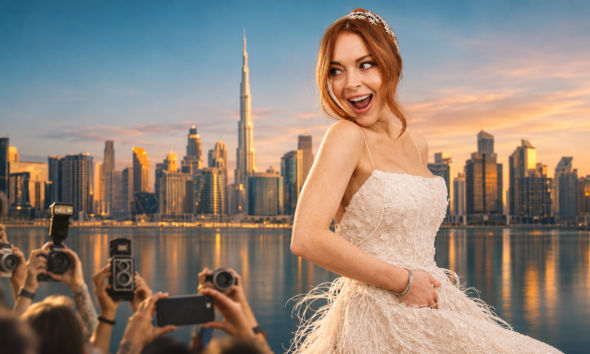
For much of her career, Lindsay Lohan lived in public. Every appearance, friendship and change of direction seemed to belong to the audience as much as it belonged to her.
Then came Dubai.
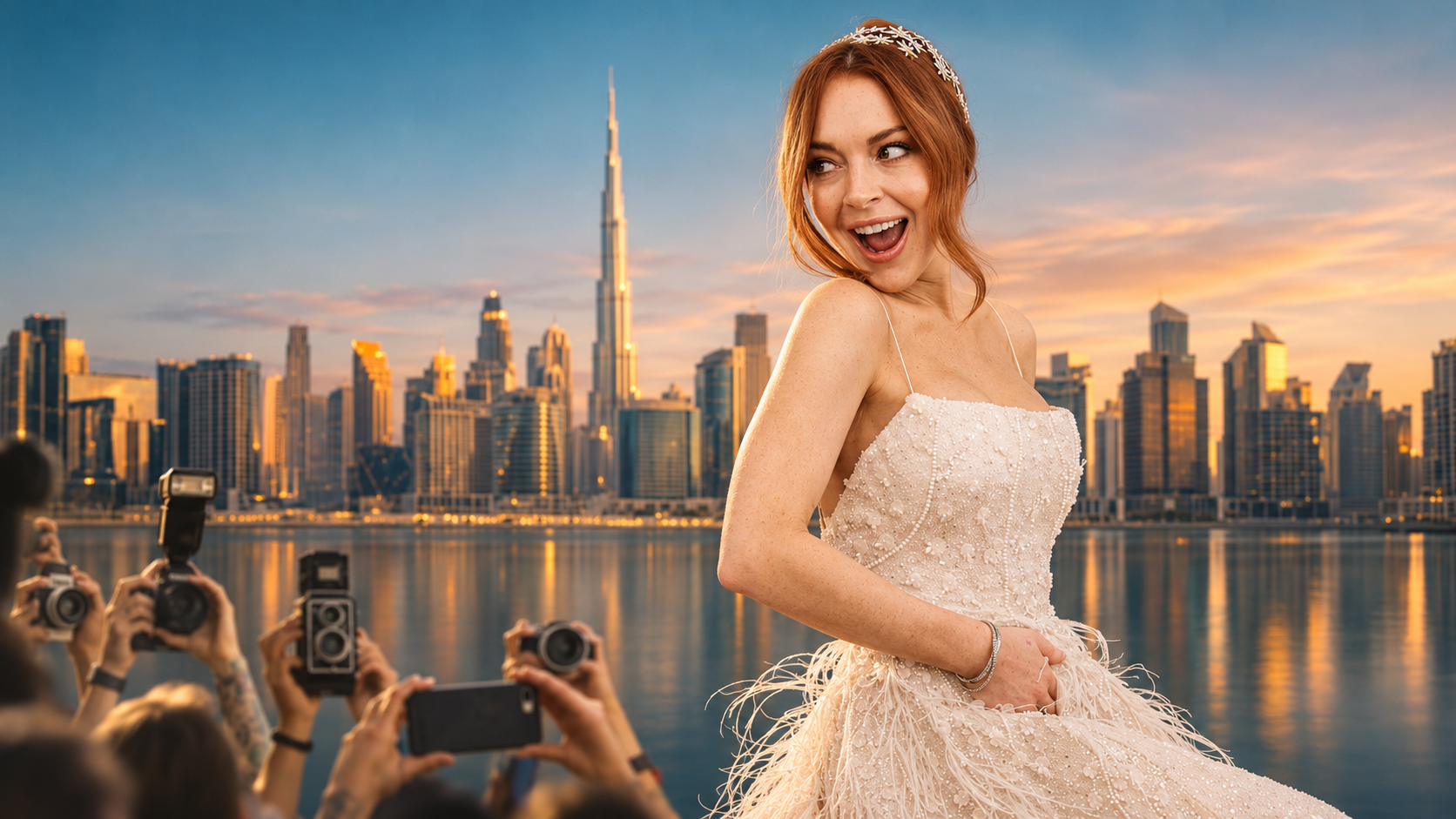
Lohan moved to the UAE in 2014 after spending time in London. More than a decade later, she has built a family life in the city with her husband, Bader Shammas, and their son. In a recent Vogue Arabia profile, Dubai emerges as the setting for a quieter chapter, shaped by privacy, stability and a sense of normality.
The move is compelling because it was not about finding a larger stage. It was about stepping away from one.
A Different Kind of Arrival
Lohan has described Dubai as a place where she can live with less scrutiny and more control over her time. The city gave her distance from the constant attention that had defined her years in Hollywood, while allowing her to continue working on projects that suited her life.
That distinction matters. Relocation is often presented as a career decision, a tax decision or an investment decision. Lohan’s story adds another motive: the desire to decide what remains private.
Her daily life now revolves around family routines, selective work and a home environment that sits outside the pressure cycle of celebrity culture. Dubai became less a backdrop to her life than the structure around it.
When Privacy Becomes Luxury
For a global celebrity, privacy has an obvious value. Yet the appeal of privacy has moved far beyond the world of actors and musicians.
Dubai’s luxury homebuyers increasingly include internationally mobile families, founders, executives and professionals who want the benefits of a global city without giving up personal space. Their idea of luxury is becoming more discreet.
The emphasis is shifting towards controlled views, quiet entrances, layered outdoor spaces and homes that create distance from the surrounding city. Private gardens, shaded terraces and carefully planned circulation can shape how a family moves through the day.
The result is a more understated form of luxury. It does not need to announce itself from the street. Its value is often felt in the moments when the residents are alone.
A City Built Around Family Life
Lohan has spoken positively about the sense of calm she found in Dubai, particularly after becoming a mother. She has described a life where family time, school routines and carefully chosen work can exist within the same rhythm.
That experience reflects a wider change in the way people evaluate cities.
A place can offer impressive offices, hotels and restaurants, but families also ask different questions. Can children move comfortably through the neighbourhood? Are essential services close by? Is there enough greenery? Does the home provide space to gather and space to retreat?
These details rarely dominate a property brochure. They often determine whether a family chooses to stay.
The New Language of Luxury Living
Lohan’s Dubai story also points to a broader change in luxury culture. The most desirable home is no longer always the largest or most visible. It may be the one that protects time, reduces friction and gives its residents a sense of control.
That can mean a low-density community rather than a crowded district. It can mean private outdoor space instead of another shared amenity. It can mean landscape, natural light and thoughtful planning rather than a design statement that demands attention.
For high-profile residents, these qualities offer protection from unwanted visibility. For families and entrepreneurs, they create a more manageable relationship with the city.
From Public Life to Private Space
The appeal of Lohan’s story lies in its simplicity. She did not leave public life behind entirely. She changed the terms on which she participated in it.
That is increasingly how Dubai is being understood by people who move there for the long term. They come for business, connectivity and opportunity, then stay because the city can accommodate a private life alongside a public one.
The same idea is visible in the emirate’s residential development. Communities such as those featured in Sobha’s Dubai portfolio on Arabisk London reflect a growing interest in landscape, privacy, wellness and the everyday experience of living well.
Lohan’s home is not connected to Sobha, and her story is not an endorsement of any developer. It simply illustrates the wider shift: privacy has become part of what many people now mean when they say luxury.
For Lindsay Lohan, Dubai offered a place where family life could take the lead. In a city built on movement, that may be its most valuable promise.
Read also: Francis Alfred: What Dubai’s Property Buyers Want Now



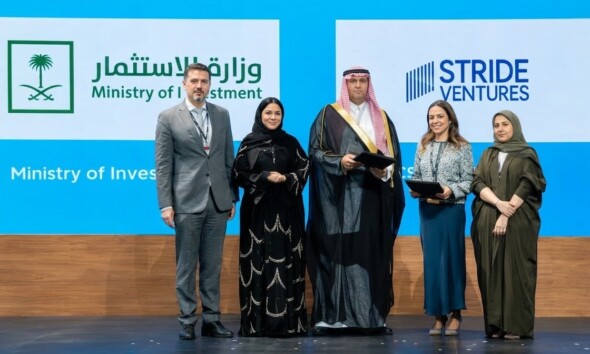
KSA & Stride Ventures Agree to $500M Investment MoU
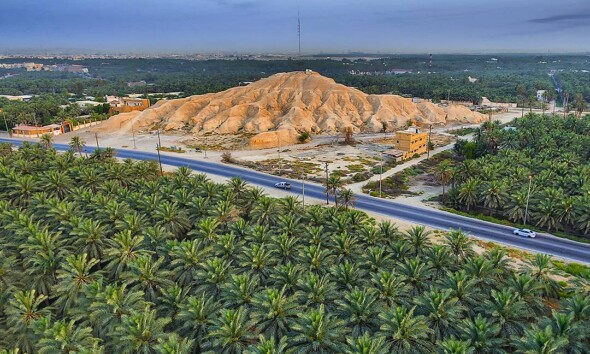
Al-Ahsa’s ‘Logistics Oasis’ Receives 60 Million Tonnes of Cargo Annually
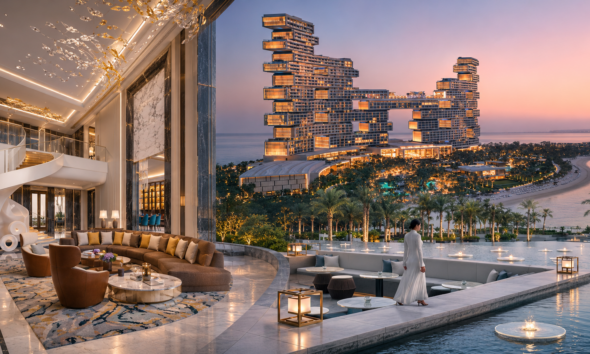
4 Risks No One Talks About Before Buying a Luxury Home
London Premier Centre Strengthens Its Presence in Saudi Arabia
Riyadh Metro Breaks Ground on the ‘Expo’ Station