
Business and Investment
Riyadh Metro Breaks Ground on the ‘Expo’ Station

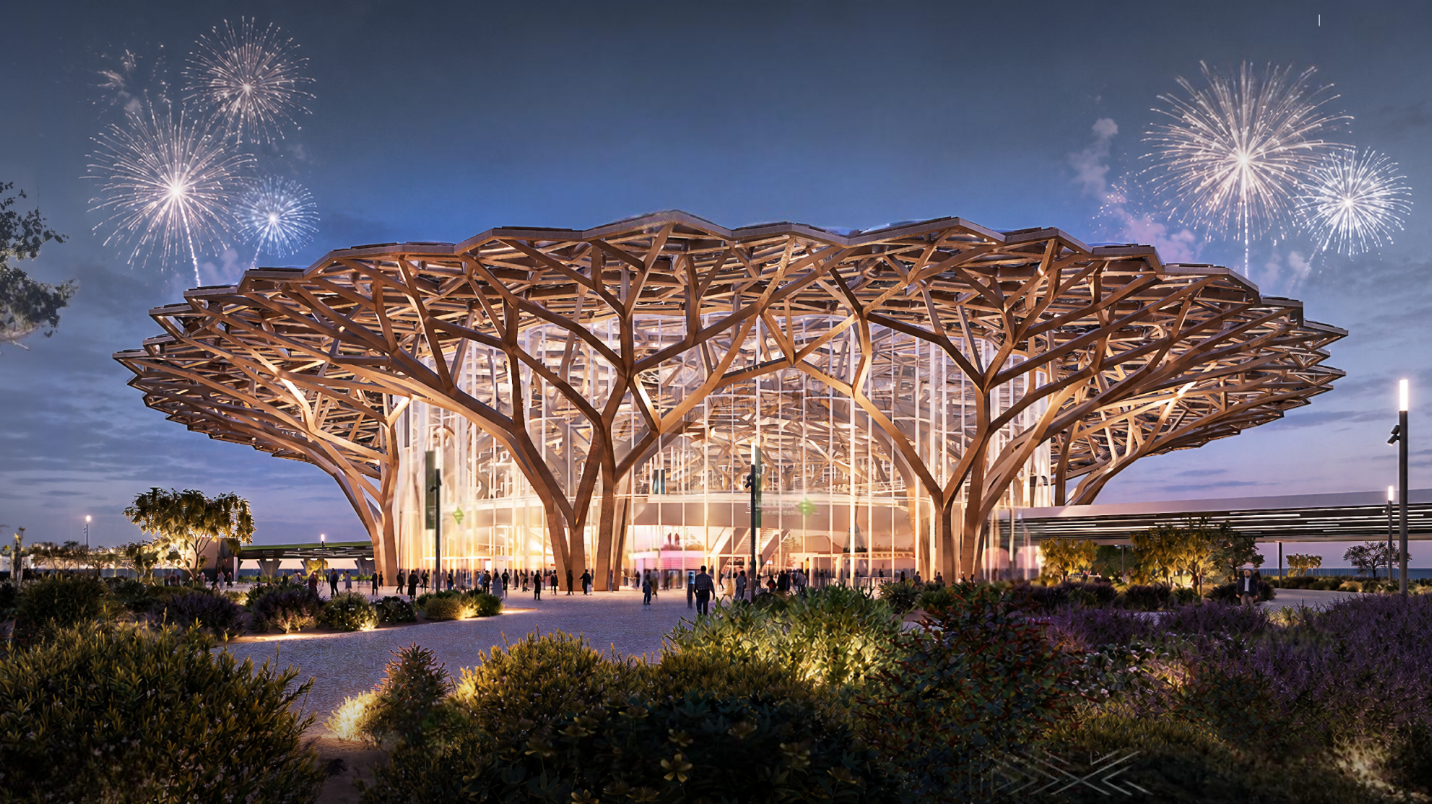
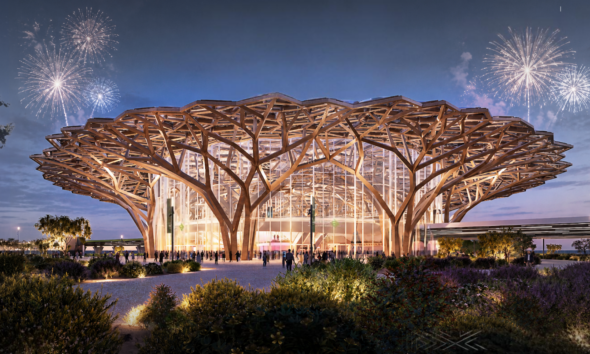
Saudi Arabia is advancing its transport infrastructure by constructing the ‘Expo’ station, essential for the upcoming “Expo 2030 Riyadh.” Announced by the Royal Commission for Riyadh City (RCRC) on November 15, 2026, the station will join the Riyadh Metro network and feature an architectural design inspired by local landscapes, including wadis and talh (acacia) trees.
Covering around 70,000 square metres, the station accommodates 19,000 users per hour and is strategically located on the Yellow Line, linking to King Khalid International Airport. This connection aims to facilitate access to the Expo site through public transport, reducing reliance on private vehicles.
The project holds considerable importance, as it operates beyond the Expo 2030, catering to surrounding areas and future developments in Riyadh. This initiative aligns with the city’s expected urban growth, addressing the need for upgraded infrastructure to support a rising population, economic activity, and increased visitor numbers. Additionally, it underscores the expansion of public transport to link significant projects with residential and commercial zones.
Location of the Riyadh Metro’s Expo Station
The station on the Yellow Line of the Riyadh Metro is strategically located to connect with King Khalid International Airport. It traverses King Salman Road and is part of a “green corridor” linking the Expo 2030 Riyadh site in the east to future urban development zones in the west.
This location enhances the station’s role beyond just welcoming Expo visitors; it integrates a highly anticipated international destination into the existing public transport infrastructure and lays the groundwork for serving areas planned for urban expansion in the near future.
Furthermore, the connection to the Yellow Line provides a train travel option between King Khalid International Airport and the Expo site, potentially decreasing dependence on cars and buses during peak times. Nonetheless, the authority has not disclosed the anticipated travel time between the airport and the new station or the specifics regarding train operations or supplementary services to be offered during the Expo.
A 19,000-Passenger-Per-Hour Station
The ‘Expo’ station is engineered to accommodate 19,000 users per hour, reflecting the expected traffic volume during significant events and post-urban development in the vicinity. This capacity enables the station to effectively manage substantial passenger flows, especially during peak arrival and departure times, underscoring the critical role of mass transit systems in moving large numbers of people efficiently within limited timeframes.
Moreover, this capacity plays a critical role in planning movement for the Expo, where successful access to a site attracting large crowds relies on the overall transport network’s capacity rather than solely that of the station. The stated design capacity of 19,000 users per hour is specified, but it does not reflect the actual passenger numbers or an official forecast for daily usage.
Likewise, the full utilisation of this capacity is contingent upon several factors, including train operating schedules, service frequency, and the level of connectivity with other transport modes available within the Expo site.
Inspired by Riyadh’s Wadis & Acacia Trees
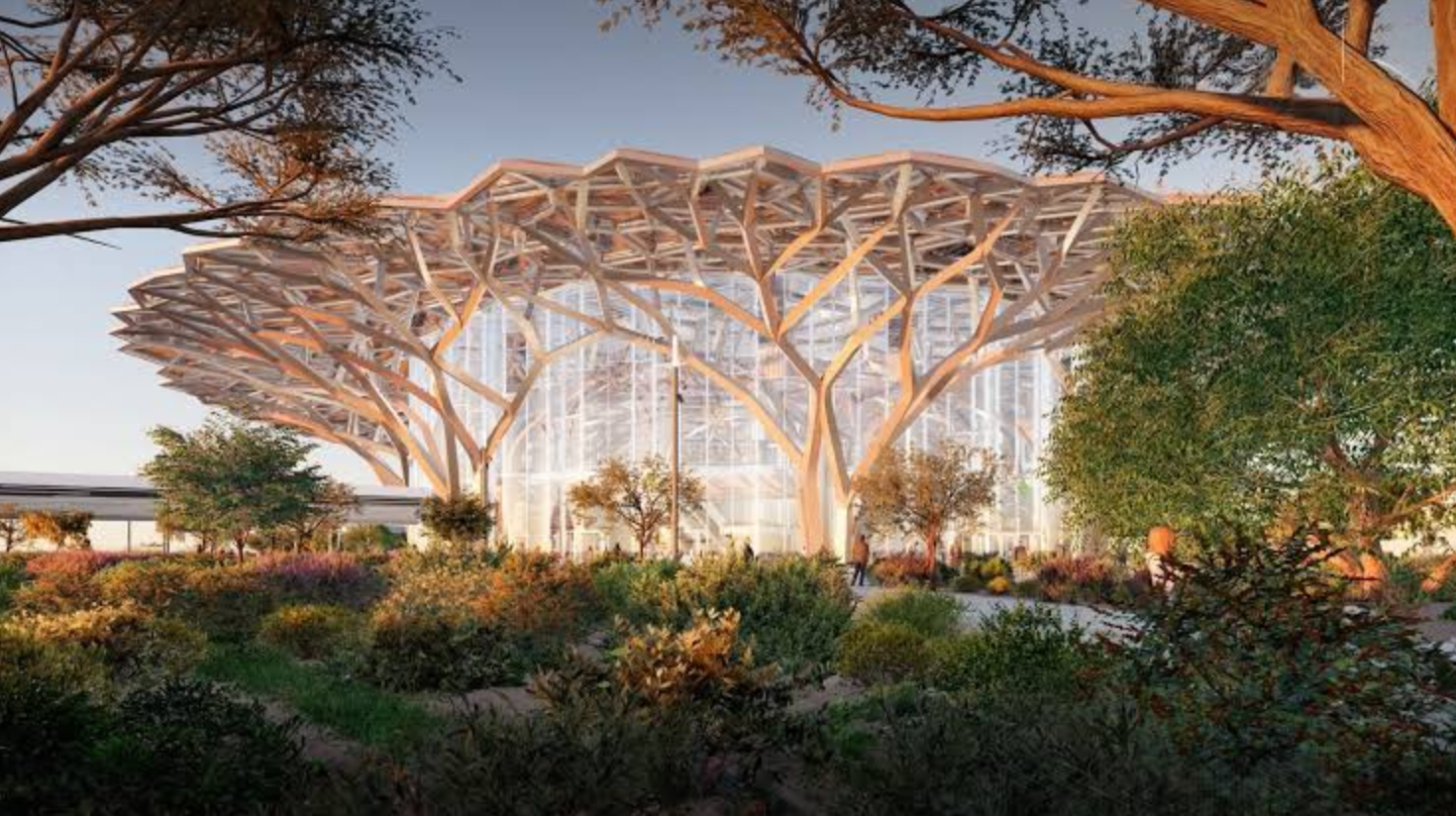
A distinctive 134-metre steel dome—supported by eight acacia-inspired branching columns—highlights the project’s architectural design. The design integrates elements from the local environment, particularly the wadis (valleys) of Riyadh, and features shaded areas for visitors both around and inside the station.
The planned green spaces cover around 44,000 square metres, contributing to an urban project that transcends the simple creation of a facility for train passengers. The incorporation of green pathways and shaded areas highlights the significance of public space design, especially in a city with a predominantly hot climate, as these areas enhance pedestrian connectivity between transport hubs and adjacent locations.
According to the announced design, the station will feature solar energy systems that will fulfil around 25 per cent of its energy requirements. This target refers solely to the station’s own consumption and does not include the overall energy needs of the Riyadh train network, aiming to be realised upon the project’s completion.
Expo Station Opening Timeline
The Royal Commission for Riyadh City (RCRC) is progressing with the construction of the station according to a timeline that corresponds with the development phases of the Expo site. Construction will finish ahead of the site’s readiness for Expo 2030. However, the Commission’s statement did not provide specific details regarding the opening date, the start of commercial operations, the total construction cost, or the identity of the contractor.
Coordination between the construction of the station and the Expo site is essential for the project’s success, as it directly affects the development of surrounding infrastructure such as roads, pathways, and public spaces, as well as its connection to the overall transport network. The implementation plan involves traffic management strategies created in partnership with relevant authorities, ensuring alternative routes are provided during construction to reduce impact on vehicular traffic and nearby residential communities.
Announcing traffic adjustments in advance enables residents and road users to adequately prepare; however, the details regarding specific routes and the timing of these changes will be confirmed through official announcements.
Economic Benefits of the Station for Riyadh
The ‘Expo’ station is economically important due to its strategic location in the public transport network and its ability to support an area anticipated to experience growth in exhibition, tourism, hospitality, and commercial activities. The connection of the station to both the airport and the exhibition site enhances the flow of visitors and staff, thereby allowing local commercial and hospitality businesses to capitalise on the resulting increase in foot traffic.
Connecting future urban development zones to public transport is crucial for planning real estate and service-sector investments because the appeal of new locations depends significantly on accessibility and transport options. However, once operational, the station’s true economic impact will hinge on ridership levels, commercial activity, and urban growth around the site.
The authority has yet to provide independent estimates concerning the expected economic revenue from the station and the number of jobs directly associated with its operation, making it impossible to quantify these potential benefits at this time.
Read more: Government Prep for New Tech: From Ready to Leader
Post-Exhibition Plans for the Expo Station
The Royal Commission for Riyadh City (RCRC) has announced that the ‘Expo’ station will become a permanent part of the Riyadh Metro network, ensuring its utility extends beyond the global exhibition. This strategy emphasises the value of utilising infrastructure established for international events to fulfil the city’s long-term requirements.
The ongoing operation of the station will enhance connectivity between emerging districts and the public transport system, which is especially crucial as new residential and commercial developments arise to the west of the exhibition site.
This long-term integration serves a dual purpose for the project: it will provide accommodation for visitors during Expo 2030 and enable the ongoing movement of residents, workers, and economic activities after the event. Construction has begun on the Expo station, which is essential to the exhibition’s infrastructure. The Royal Commission will disclose specific details concerning costs, the final opening date, and operational levels as the project develops.
Read more: King Salman Gate: A Project to Reshape Mecca’s Heart Next to the Grand Mosque!



KSA & Stride Ventures Agree to $500M Investment MoU
Al-Ahsa’s ‘Logistics Oasis’ Receives 60 Million Tonnes of Cargo Annually
4 Risks No One Talks About Before Buying a Luxury Home
London Premier Centre Strengthens Its Presence in Saudi Arabia
Riyadh Metro Breaks Ground on the ‘Expo’ Station